Direct Answer: Deciding between hiring a buyers agent and self-executing (DIY) property acquisition requires weighing an upfront fee ($12,000–$25,000) against the time cost (80–150 hours of research and inspections) and risk of suboptimal asset selection. For inter-state investing or hyper-competitive auction markets, professional representation frequently delivers positive return on investment by preventing emotional overbidding and identifying superior capital growth precincts.
General Advice Warning: Property acquisition success depends heavily on local market expertise, macro-demographic analysis, and contract negotiation competence.
1. The Real Cost of DIY Property Acquisition
Many investors believe self-sourcing a property saves $15,000 to $20,000. While the cash fee is saved upfront, the hidden costs of DIY purchasing are substantial:
Time Investment: Thorough property selection requires 80 to 150 hours: analyzing council development plans, inspecting 30+ physical properties, reviewing historical sales data, ordering pest reports, and attending weekend auctions.
Travel and Opportunity Cost: For interstate buyers, multiple flights, hotel bookings, and vehicle rentals can quickly accumulate $3,000 to $6,000 in direct expenses.
The “Emotional Premium” at Auction: Independent academic studies demonstrate that unassisted emotional owner-occupiers and novice investors overpay by an average of 3% to 7% at public auctions when emotional bidding wars occur. On a $900,000 purchase, a 4% overpayment represents $36,000—more than double a typical buyers agent fee.
2. Detailed Structural Comparison Matrix
Acquisition Factor
DIY Property Investor
Professional Buyers Agent
Upfront Outlay
$0 agency fee (only legal conveyancing & building inspections)
$12,000 – $22,000 (adds directly to capital cost base)
Market Coverage
Public portals (Realestate.com.au & Domain)
Portal listings + 15–25% off-market and pre-market pipeline
Due Diligence Rigour
Subject to buyer’s personal knowledge and time constraints
Systematic checklist: zoning, easements, flood maps, strata health
Interstate Execution
Difficult; relies on weekend trips and video walkthroughs
Local boots-on-the-ground physical inspection within hours
Negotiation Stance
Often vulnerable to selling agent psychological tactics
Objective, data-backed negotiation based on comparable settled sales
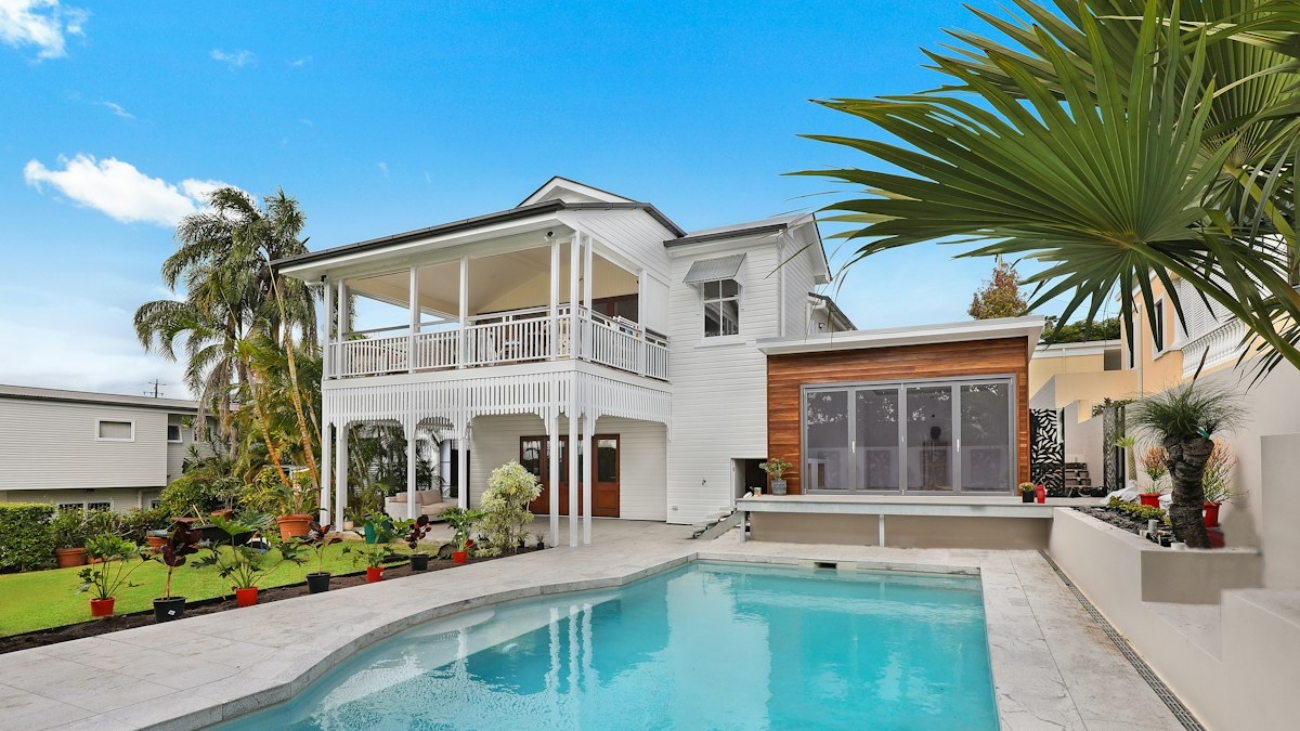
Figure 1.0: Comparing the time outlays and capital growth outcomes of DIY investing vs professional representation.
3. When Does DIY Make Sense?
DIY investing is highly viable under specific circumstances:
Local Familiarity: You are purchasing within 15 minutes of your existing home and intimately understand local school zones, micro-pocket dynamics, traffic bottlenecks, and council infrastructure plans.
Experienced Investor: You have previously completed multiple acquisitions and are confident analyzing contracts of sale, strata sinking fund balance sheets, and building defect reports.
Ample Discretionary Time: You can dedicate 10–15 hours weekly for 3 to 6 months to attend open homes and monitor auction clearing prices.
Frequently Asked Questions
Can a buyers agent guarantee capital growth or rental returns?
No ethical buyers agent can legally guarantee future capital appreciation or specific rental returns. Market conditions, interest rates, and demographic migration patterns are inherently subject to macroeconomic shifts. What an advocate guarantees is professional process execution and risk mitigation.
Does using a buyers agent speed up the buying process?
Yes. Average DIY property purchasers spend between 7 and 12 months looking for an investment property. A professional buyers advocate typically completes the search, due diligence, and settlement negotiation within 30 to 60 days.
Independent Australian property research analyst covering buyer advocacy, investment debt structures, and demographic market data. Published under an editorial pen name dedicated to evidence-led real estate analysis.
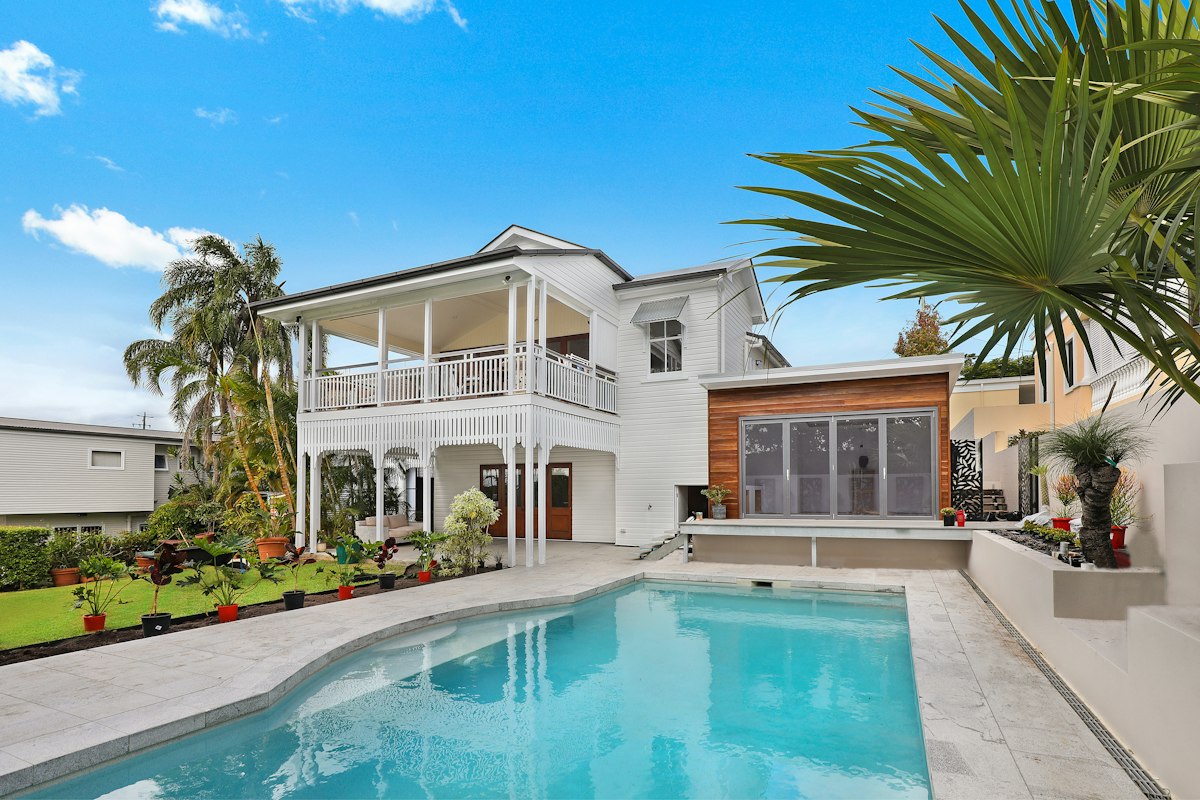
Figure 1.0: Rigorous advocate screening protects capital and prevents developer conflicts of interest.
Direct Answer: Before signing a binding buyers agency agreement, Australian property investors must interrogate seven fundamental areas: individual state licensing verification, commercial independence (zero developer kickbacks), active client ratios in identical price bands, local LGA transaction track records, clear definition of off-market channels, contract exclusivity durations, and verifiable investor references.
General Advice Warning: Property advocates operating without formal licensing or acting as undisclosed sales representatives for developers breach Australian consumer protection acts. Verify credentials independently.
The Growing Need for Advocate Due Diligence
As the Australian property market has become increasingly competitive, the number of individuals marketing themselves as “property investment advisers” or “buyers advocates” has surged. Because property advisory is not governed under a single unified federal regulatory framework like financial planning (AFSL), investors must undertake strict due diligence before granting representation rights.
The 7 Critical Interview Questions
1. Are you individually licensed as a real estate agent in this state?
A legitimate buyers advocate must hold an individual Class 1 or Class 2 Real Estate Agent Licence (or equivalent state credential) in the state where the property is located. Operating under a “certificate of registration” requires active oversight by a licensed principal, and interstate agencies cannot legally operate without local state compliance.
2. Do you receive developer rebates, commissions, or referral fees from third parties?
This is the most critical question. “Two-tier” property marketers frequently pose as buyers advocates, offering “free” or heavily discounted buying services to purchasers while collecting $20,000 to $60,000 in secret developer commissions for selling off-the-plan townhouses or house-and-land packages. A genuine buyers agent is compensated exclusively by the purchaser.
3. How many active buyers are you currently servicing in my target budget?
If an advocate is currently representing five different clients with an identical brief ($800,000 to $900,000 family homes in Brisbane’s northern suburbs), an unavoidable conflict occurs when an outstanding property surfaces. Ask how the agency prioritises competing briefs.
4. Can you provide a verifiable transaction ledger of your last 10 acquisitions?
General market commentary does not prove buying skill. Request a list of recent purchases including address, settled purchase price, independent valuation comparison, and estimated current market value or rental yield.
5. What is your precise definition of an “off-market” listing?
Distinguish between genuine pre-market properties (where vendors are preparing contracts but haven’t launched publicly) and stale agency inventory (properties that failed at auction or were rejected by the open market due to pricing or structural flaws).
6. What are the specific terms regarding contract termination?
Review the agreement’s termination provisions. Does the agreement lock you in for 6 months with heavy cancellation penalties, or does it allow mutual termination with 14 or 30 days written notice if communication breaks down?
7. Who conducts the physical inspections: you or a junior junior researcher?
In growing agencies, senior directors handle initial sales consultations while inexperienced junior staff or virtual assistants conduct actual property inspections and agent negotiations. Ensure the experienced advocate is personally inspecting every asset.
Summary Investor Screening Checklist
✓ Individual licence number confirmed on State Fair Trading register.
✓ Written declaration of zero commercial payments from vendors or developers.
✓ REBAA membership status verified.
✓ Contract duration capped at 90–180 days with clear termination rights.
✓ Professional indemnity insurance currency certificate sighted.
Independent Australian property research analyst covering buyer advocacy, investment debt structures, and demographic market data. Published under an editorial pen name dedicated to evidence-led real estate analysis.
Direct Answer: Buyers agents in Australia charge under two predominant models: flat fixed fees (tiered based on acquisition brackets) or percentage-based commissions (typically 1.5% to 2.5% of the purchase price plus GST). While fixed fees eliminate the inherent conflict of interest where an agent earns more if you pay more, percentage models scale proportionally across broad search budgets.
General Advice Warning: Fee agreements include non-refundable engagement retainers and exclusive performance clauses. Thoroughly examine contract terms before committing financial deposits.
1. The Two Dominant Remuneration Models
Professional remuneration across the Australian property advocacy sector is split between tiered fixed fee models and percentage commission models. For an investor committing between $600,000 and $2,000,000+ toward a residential asset, understanding how these models affect agent incentives is vital.
The Percentage Commission Model (1.5% – 2.5% + GST)
Historically adapted from traditional selling agency structures, percentage commissions calculate the final advocate fee as a direct percentage of the contract settlement price. On a $1,000,000 acquisition, a 2.0% + GST commission equates to a $22,000 total professional fee.
The Inherent Conflict: The principal critique of the percentage model is an inverted incentive structure: the more the buyer pays for a dwelling, the higher the advocate’s remuneration. While ethical agents prioritize client retention and long-term reputation, the structural conflict remains embedded in the calculation.
The Tiered Fixed Fee Model ($10,000 – $25,000)
In response to client demand for transparency, many modern independent buyers advocates utilize fixed tiered fee structures. Under this model, the fee is determined at the outset based on the target purchase bracket (e.g. $12,500 fixed fee for properties under $800,000; $16,500 for properties between $800,000 and $1,200,000).
Incentive Alignment: Because the fee is fixed upfront, the agent has no incentive to encourage a higher offer during private negotiations or auction bidding. Their financial incentive is strictly aligned with securing the property within or below your budget target.
Property Purchase Price
Fixed Fee Tier (Typical)
2.0% Percentage Commission
Net Fee Difference
$750,000
$12,500
$15,000
Fixed saves $2,500
$1,000,000
$15,000
$20,000
Fixed saves $5,000
$1,500,000
$20,000
$30,000
Fixed saves $10,000
$2,200,000
$26,000
$44,000
Fixed saves $18,000
2. Upfront Retainers vs Success Fees
Regardless of whether an advocate uses a fixed or percentage structure, payment is almost universally divided into two stages:
The Engagement Fee (Retainer): An upfront, non-refundable deposit paid upon signing the agency agreement (typically $2,500 to $5,000). This covers initial market research, due diligence subscriptions, title searches, and administrative costs.
The Success Fee: The remaining balance payable upon unconditional exchange of contracts or legal property settlement. The upfront retainer is deducted from this final balance.
Figure 1.0: Analyzing the incentive alignment between fixed fees and percentage commissions.
3. Hidden Costs and Contract Red Flags
Investors must scrutinize agency agreements for clauses that increase out-of-pocket costs:
Building & Pest Inspection Costs: Professional building and timber pest inspections ($400–$700 per property) and legal contract conveyancing reviews ($250–$500 per review) are paid directly by the buyer and are never absorbed by the buyers agent.
Extended Search Fees: Some agencies charge monthly renewal fees ($1,000/month) if a property is not purchased within the initial 90-day engagement window.
Tail or Trailing Commission Clauses: Contract clauses stipulating that if you purchase any property introduced by the agent within 6 to 12 months after terminating the contract, their full fee remains legally enforceable.
Frequently Asked Questions
Can buyers agent fees be bundled into my home loan mortgage?
Generally, no. Australian commercial lenders do not permit professional agency advisory fees to be added to the mortgage principal because the fee does not form physical security value in the land. Investors must fund the buyers agency fee from cash savings or through an equity release loan drawn against existing real estate.
What happens to my retainer if the buyers agent fails to find a property?
In almost all standard agreements, the engagement retainer is strictly non-refundable to cover the advocate’s operational hours and due diligence outlays. Always review the agreement terms to see if the retainer can be rolled over into a contract extension.
Independent Australian property research analyst covering buyer advocacy, investment debt structures, and demographic market data. Published under an editorial pen name dedicated to evidence-led real estate analysis.
Direct Answer: A buyers agent (also known as a buyers advocate) is a fully licensed real estate professional legally contracted to represent the property purchaser exclusively. Under Australian state property statutes, buyers agents formulate purchasing strategies, identify on-market and off-market opportunities, conduct due diligence, value properties independently, and negotiate acquisitions via private treaty or public auction.
General Advice Warning: This article contains general educational analysis only. Engagement agreements with buyers agents are legally binding commercial contracts with significant financial obligations. Always perform independent license checks and seek legal review before signing.
1. The Fiduciary Role of a Buyers Agent in Australia
In standard Australian real estate transactions, the traditional real estate agent owes a strict fiduciary duty to the vendor (seller). Under state legislation—such as the Property and Stock Agents Act in New South Wales or the Estate Agents Act in Victoria—selling agents are legally mandated to extract the highest possible price and most favorable terms for their selling client.
A certified buyers agent inverts this dynamic. Operating under an exclusive Buyers Agency Agreement, the advocate owes their legal and professional duty exclusively to the buyer. Their objective is to secure the highest-quality asset at the lowest possible negotiated price, shielding the purchaser from emotional decision-making, marketing distortions, and aggressive auction tactics.
2. Complete Search vs. Evaluate and Negotiate Service Tiers
Buyers agencies generally offer two distinct engagement scopes depending on how much of the search process the investor wishes to delegate:
Full Search and Acquisition: The agent manages the entire acquisition lifecycle. This begins with creating an investment property brief (target rental yield, minimum land-to-asset ratio, council zoning restrictions), surveying local government areas (LGAs), inspecting dozens of physical properties, reviewing strata inspection records, liaising with conveyancers, and executing settlement negotiations.
Evaluate and Negotiate Only: For self-directed investors who have already located a specific dwelling. The agent performs an independent comparative market analysis (CMA), verifies municipal planning overlays, reviews contract vendor statements (such as Section 32 in Victoria), and handles price negotiations or auction bidding.
Service Attribute
Full Search & Acquisition
Evaluate & Negotiate Only
Client Time Commitment
5–10 hours total (reviewing curated shortlists)
40–80 hours (self-sourcing & attending open homes)
Off-Market Sourcing
Extensive access via direct selling agent networks
None (buyer brings public listing to agent)
Typical Cost Structure
Fixed fee ($12,000–$25,000) or 1.5%–2.5% of price
Flat fee ($3,500–$7,500)
Due Diligence Scope
Comprehensive macro & micro-suburb analysis
Property-specific valuation and contract appraisal
A primary value proposition cited by Australian buyers advocates is access to off-market and pre-market properties. In established metropolitan capital cities, between 15% and 25% of residential transactions occur without formal portal marketing (Realestate.com.au or Domain).
Sellers often opt for off-market sales to preserve privacy, avoid substantial marketing campaigns costs ($5,000–$12,000 for staging, professional photography, and premium digital listings), or resolve urgent financial or marital settlements. Established buyers agents maintain constant contact with active local selling agents, gaining pre-release inspection access days before public campaigns launch.
Case Scenario: Capital Gain Impact of Suburb Selection
Consider an investor with an $850,000 purchasing budget. Operating independently, the buyer purchases a brand-new multi-unit apartment in an outer-growth corridor attracted by high initial gross yields (5.8%). Over an 8-year holding period, heavy developer supply caps capital growth to 2.1% p.a.
Conversely, a seasoned buyers agent guides the client toward a character brick semi-detached dwelling in an established middle-ring suburb with high land-to-asset value and strict heritage zoning. Although the initial gross yield is lower (3.4%), the asset achieves compound capital growth of 6.8% p.a., generating an additional $284,000 in net equity over the same period.
4. Regulatory Oversight and Licensing Requirements by State
In Australia, real estate licensing is strictly regulated by state and territory consumer protection agencies. Anyone accepting remuneration to represent a property buyer must hold an individual real estate licence or be an authorised corporate representative under a licensed corporation:
New South Wales: Regulated by NSW Fair Trading under the Property and Stock Agents Act 2002. Class 1 or Class 2 Real Estate Agent license required.
Victoria: Regulated by Consumer Affairs Victoria under the Estate Agents Act 1980.
Queensland: Regulated by the Office of Fair Trading under the Property Occupations Act 2014.
Western Australia: Regulated by the Department of Mines, Industry Regulation and Safety (DMIRS).
Frequently Asked Questions
Are buyers agent fees tax-deductible against my annual rental income?
No. Under Australian Taxation Office (ATO) ruling TR 95/35, buyers agent fees incurred to acquire a capital asset are not immediately deductible against ordinary rental income. Instead, the entire fee is added to the property’s cost base, which directly reduces your Capital Gains Tax (CGT) liability when the asset is sold in the future.
How can I confirm that a buyers agent is truly independent?
A truly independent buyers agent must never receive kickbacks, bonuses, or referral commissions from selling agents, property developers, or project marketing companies. They must be accredited by the Real Estate Buyers Agents Association of Australia (REBAA) or explicitly state zero developer ties in their engagement agreement.
What is the standard duration of a buyers agency contract?
Standard exclusive engagement agreements typically run for 90 to 180 days. Ensure your agreement contains a clear termination clause allowing cancellation with reasonable written notice if satisfactory properties are not presented.
Independent Australian property research analyst covering buyer advocacy, investment debt structures, and demographic market data. Published under an editorial pen name dedicated to evidence-led real estate analysis.